Pages

Showing posts with label Integration. Show all posts

Friday, May 23, 2025

STRENGTHENING INTEGRATION: BIMSTEC as a Regional Pivot in Disaster Management

By Amasha Fernando

Disaster Management and Mitigation have become an essential concern within the littoral states of the Bay of Bengal, as many states face a rapid increase in climate catastrophes in the region. From powerful cyclones such as Fani (2019) and Fengal (2024) to the 7.7 magnitude earthquake in March 2025, which resulted in the loss of more than 3000 lives up to date in Myanmar, the region has faced alarming natural disasters, significantly, in the post-COVID-19 era since 2020. This has not only challenged the ecological balance of the region but also paved the way for massive damage to the regular lives of people.

These adversities, which escalate day by day, are a prominent concern addressed at national and regional levels within organizations such as ASEAN, BIMSTEC, and international coalitions like the G20. However, the frequency of the occurrence of natural hazards and their rising intensities calls for the need for practical and sustainable solutions at the national, regional, and international level.

In this context, the role of BIMSTEC in disaster management has increased considerably, as the changes in natural weather systems, particularly in the Bay of Bengal, create a significantly adverse impact on economic growth within the region. This article aims to discuss the latest developments of the climate catastrophes while exploring the effectiveness of current disaster mitigation mechanisms and offering suggestions to enhance the quality of assistance and humanitarian aid provided.

State of Nature Hazards within the Bay of Bengal littorals

The Bay of Bengal region, comprising Bangladesh, Bhutan, India, Myanmar, Nepal, Sri Lanka, and Thailand, has experienced multiple climate-related disasters in recent years, including cyclones, earthquakes, floods, and landslides. Renowned as the ‘Kalapani’ or the Black turbulent waters (Bose, 2023), the Bay of Bengal region faces at least 5 to 6 cyclones per year, while annual floods in states such as Bangladesh and India affect millions of lives. These directly result in deaths, infrastructure damage, and displacement while affecting livelihoods and economic functions of the region on a broad scale. According to National Cyclone Risk Mitigation Project (NCRMP) reports, 7, 516 km of India and 716 km of Bangladesh are exposed to nearly 10% of the world’s tropical cyclones. (Dhruba, 2023)

In comparison with the West, these cyclones possess unique characteristics and effects of wind speeds and rough seas, mainly affecting the weather conditions of states such as India, Bangladesh, and Sri Lanka. An often-highlighted event among these is the Indian Ocean Tsunami, which occurred in 2004, resulting in over 30,000 fatalities, along with a US$1.5 billion economic loss in Sri Lanka alone, marking the most devastating natural disaster the island nation has faced to date. Simultaneously, over 10, 000 lives were lost within India due to this, followed by deaths in Myanmar and Thailand, and economies in all these states were affected as well, with the damage caused to agrarian lands. (Bose, 2023)

Many cyclones, such as Komen (2015), Roanu (2016), Amphan (2020), and Fengal (2024), which occurred during the past few years, affected communities largely in Myanmar and Bangladesh, in the following years marking a series of cyclones in between. These resulted in floods, rough seas, and torrential downpours, which worsen situations in the nations in the Bay of Bengal. As a result, floods become a frequent occurrence in these nations annually. According to government reports, floods in Kathmandu, Nepal, in September 2024 have killed more than 60 people, while 66 have gone missing. (OCHA, 2019) Moreover, scientists predict that Bangladesh, India, and China will be among the top 10 nations with the highest risks of facing the highest rainfall changes by 2100. (OCHA, 2024)

The latest alarming disaster occurred in March 2025 with the 6.4 and 7.7 magnitude earthquakes, which devastated Myanmar, affecting nearly 9 million people who belong to 58 townships. The disaster resulted in nearly 3, 600 deaths, while 4, 800 people are reported to have suffered injuries. (UNICEF, 2025) Severe infrastructure damage, which includes 2, 311 schools and 193 healthcare facilities, has been reported, while vulnerable groups such as women and children face shortages of medication and other essential items.

In addition, states in the Bay of Bengal are prone to the novel developments of climate change, such as rising sea levels, extreme heatwaves, and loss of land, with coastal erosion. World Heritage sites such as the Sundarbans Mangrove Forest, the Sinharaja tropical rainforest, and their ecosystems are significantly affected by such conditions, worsening the ecological balance within the region. According to World Bank reports in 2000, the rise of sea levels by one metre tends to destroy the whole Sundarbans region. (Jabir et al., 2021) Meanwhile, island nations in the Indian Ocean, such as the Maldives, are at risk of being completely submerged by the rising ocean levels.

Climate Actions Taken as a Regional Hub

The 2004 Indian Ocean Tsunami was the primary catalyst that sparked discussions on disaster management within the region at the BIMSTEC level, shifting the irregular patterns of disaster mitigation from occasional aid provision for disasters such as cyclones. Following the 1994 Oslo guidelines on “The Use of Foreign Military and Civil Defence Assets in Disaster Relief”, Humanitarian Assistance and Disaster Relief (HADR) was introduced to the region, creating action plans at state and BIMTEC levels. The evolution of participation in disaster management comprises several stages. (Bose, 2023) They can be identified as follows. 1. Passive Phase (1997-2005) 2. Provisionally Responsive Phase (2005-2006) 3. Phase of Dormancy (2007-2014) 4. Proactive Phase (2015 to the present)

The passive phase consisted of the initial level agreements within the organization, where the groundwork for natural disaster mitigation and management was introduced. However, disaster management within the region was not considered a prominent concern at that juncture until the Tsunami of 2004 became the wake-up call to cooperate in disaster management. In the aftermath of the Tsunami, ‘Environment and Disaster Management’ was considered a fundamental area of concern within the region through the introduction of many collaborative efforts, with other organizations such as the SAARC Meteorological Research Centre (SMRC) and the Asian Disaster Preparedness Centre (ADPC) were pivotal in creating institutional solutions in disaster response.

Mechanisms such as conducting workshops, knowledge sharing, emergency response and the establishment of early warning systems were done, with the aid of foreign nations and international bodies such as the United Nations. Creation of the BIMSTEC Centre on Weather and Climate Change was prominent in this regard, as it nurtured frameworks to sign agreements at bilateral and multilateral levels, creating room for discussions in the sectors of multinational cooperation in managing disasters. (Cook & Chen, 2021) Predominantly, India led these initiatives as a regional powerhouse, in creating relevant policy frameworks and responsible institutions.

However, with the absence of substantial financial cooperation within the region, BIMSTEC’s unity in disaster management was largely dormant from 2007-2014. (Bose, 2023) Disaster management was limited to emergencies and early warning mechanisms during this time, while documentation efforts such as approving a Memorandum of Association to establish a Centre of Weather and Climate Response were made in strengthening preventive measures. Reasons such as the impending change of chairmanship in the organization, the need to establish a permanent secretariat in Dhaka, and the change of India’s maritime cooperation doctrine, paving the way for a prolonged era of inaction.

The change of political leadership after the election of 2014 marked a positive change in the activities of BIMSTEC. The Modi government focused on fostering cooperation through multilateral collaborations, establishing India’s role as the “net security provider” in the region. (Cook & Chen, 2021) However, the significance of India within the BIMTEC as a regional power and an emerging world power has created points to ponder, as the power imbalance may create a situation where climate issues of small nations are rejected.

The unity of BIMSTEC nations was further strengthened with the introduction of India’s “Act East policy.” Disaster risk prevention policies, such as the Sendai Framework (2015-2030), aim to establish common information systems to track disasters within the region and exchange best practices. (Bose, 2023) Capacity building was a spotlight in discussions redefining the bounds of environmental governance and disaster response. Measures such as Disaster Management Exercises (DMXI), Field Training Exercises, and After-Action Reviews were introduced in this regard, finding creative ways to address the rapid changes of climate change. The first BIMSTEC DMXI exercise was held in India in 2017, while the initiative’s latest workshop involved five member states. (Cook & Chen, 2021)

Moreover, the importance of the Indian Ocean sea lanes was identified while discovering potential paths for integration in transportation in trade, and managing diverse security interests. While the strategic importance within the region increases daily with China’s presence in the Indian Ocean, with initiatives such as the BRI, BIMSTEC has a pivotal role in strengthening integration and capacities of disaster prevention measures.

When considering the present-day context, many measures, such as capacity-building initiatives and strengthening mechanisms, are followed within the organization. These were suggested through the joint declaration issued by BIMSTEC leaders who gathered at the 6th BIMSTEC summit on 4th April 2025. Collaborating with the Indian Ocean Rim Association and encouraging maritime transport cooperation within the littoral states further creates opportunities. Such collaboration in preventing natural hazards and common measures will address the economic losses and infrastructure damage while creating a secure environment for people, ensuring their safety and medication.

Future of Disaster Management within the Organization

The responsibility to prevent future disasters within the region is undoubtedly bestowed upon regional organizations such as BIMSTEC, as the solutions for these should be institutionalized and implemented sustainably and practically. While the organization has gained commendable progress in building a stable foundation for disaster management, growing intensities of natural hazards within the region demand immediate action while encouraging integration in collective disaster prevention methods.

Thereby, maintaining consistency in disaster prevention methods and maintaining coordination between disaster management centres within littoral states and authorities are crucial in efficient disaster management. India’s 2025 proposal to establish a BIMSTEC Centre for Excellence in Disaster Management Secretariat would be an active measure to create disaster readiness in the region. This centre would act as the central point of contact for managing disaster-related data, conducting risk assessments, and coordinating cross-border disaster response (Bhatt & Garge, 2023). In order to address the existing gaps in financial emergencies, the centre needs to have sufficient funding from a regional disaster relief fund and the authority to make its own decisions (Chaudhary, 2023).

Moreover, it is crucial to develop climate surveillance technologies and transboundary early warning systems. Initiatives like the BIMSTEC Centre for Weather and Climate (BCWC) offer an essential platform, but they need to be expanded and technologically improved in cooperation with regional and international partners like the United Nations, WMO, and ADPC (Cook & Chen, 2021; Bose, 2023). The European Meteoalarm system is an example of a real-time, shared warning protocol that BIMSTEC could use.

Measures should be followed to reach the grassroots of society in creating disaster awareness, bridging the gap between policy formulation, institutionalisation and practical implementation of disaster management methods. Frequent trends of climate catastrophes should be identified in preserving danger-prone environments such as the Sundarbans (Jabir et al., 2021) while ensuring an inclusive space for all nations. The importance of the Indian Ocean as a strategic hub should be rediscovered while promoting inter-organizational endeavours for disaster prevention.

Thus, it is crucial to strengthen regional cooperation through BIMSTEC because the Bay of Bengal region is becoming increasingly vulnerable to climate-related disasters. The growing frequency and severity of natural hazards—ranging from cyclones and floods to earthquakes—have not only exposed ecological fragility but also tested the social and economic resilience of millions. Even though the organization has advanced significantly since the 2004 Indian Ocean Tsunami, its framework for disaster management still needs strong institutionalization, funding, and inclusivity to keep up with new threats.

BIMSTEC has the potential to become a key player in regional disaster governance through improved cooperation, scientific innovation, and people-centred policies. BIMSTEC can genuinely fortify the ties by integrating disaster preparedness into the larger framework of economic and humanitarian integration.

References

Bhatt, R., & Deepali Mohan Garge. (2023). Unifying in Crisis: An Exploratory Analysis of Organizational Structures for a Regional Disaster Framework in BIMSTEC. The Journal Institute of Public Enterprise, 46(1), 49–68. https://www.researchgate.net/publication/375003509_Unifying_in_Crisis_An_Exploratory_Analysis_of_Organizational_Structures_for_a_Regional_Disaster_Framework_in_BIMSTEC/download

Bose, S. (2023, May 24). BIMSTEC and Disaster Management: Future Prospects for Regional Cooperation. Orfonline.org; OBSERVER RESEARCH FOUNDATION ( ORF ). https://www.orfonline.org/research/bimstec-and-disaster-management-future-prospects-for-regional-cooperation

Chaudhury, R. (2023, June). Disasters without borders: Strengthening BIMSTEC cooperation in humanitarian assistance. Orfonline.org; OBSERVER RESEARCH FOUNDATION (ORF). https://www.orfonline.org/research/disasters-without-borders-strengthening-bimstec-cooperation-in-humanitarian-assistance?amp

Cook, A. D. B., & Chen, C. (2021). Disaster Governance in the Asia-Pacific: Future Pathways to South and Southeast Asia (pp. 4–16). Nanyang Technological University, Singapore and S Rajaratnam School of International Studies. Death toll climbs as torrential rains pound Nepal - Nepal. (2024, September 30). Relief Web. https://reliefweb.int/report/nepal/death-toll-climbs-torrential-rains-pound-nepal

Dhruba, B. (2023). The Solar Influence on Tropical Cyclones Occurring over the Bay of Bengal and Arabian Sea. ECAS 2023, 37. https://doi.org/10.3390/ecas2023-15123

Jabir, A.-A., Hasan, G. M. J., & Anam, Md. M. (2021). Correlation between temperature, sea level rise and land loss: An assessment along the Sundarbans coast. Journal of King Saud University - Engineering Sciences. https://doi.org/10.1016/j.jksues.2021.07.012 Mahida, R. (2024). BIMSTEC: BAY OF BENGAL INITIATIVE FOR MULTI-SECTORAL TECHNICAL AND ECONOMIC COOPERATION: SWOT ANALYSIS FROM INDIAN PERSPECTIVES. International Journal of Management, Public Policy and Research, 3(4), 7–15. https://doi.org/10.55829/ijmpr.v3i4.247 OCHA. (2019). Relief Web - Informing humanitarians worldwide. Relief Web. https://reliefweb.int/

UNICEF Myanmar Earthquake Flash Update No. 6 - 09 April 2025 - Myanmar. (2025, April 9). Relief Web. https://reliefweb.int/report/myanmar/unicef-myanmar-earthquake-flash-update-no-6-09-april-2025

Monday, May 8, 2023

CONVERTING TRADE INTO POWER – The European Single Market at 30

Reflections on Europe Day 2023

by George I. H. Cooke


The impact of trade on countries that engage in it heavily internationally, and the overall effect it is having on international relations as a whole, continues to baffle. European historian, Norman Davis, points out that “Western Europe’s greatest success story lay in the realm of economic performance. The speed and the scale of economic resurgence after 1948 was unprecedented in European history, and unmatched in any part of the world except Japan. It was so unexpected and spectacular that historians cannot easily agree on its causes. It is far more easily described than explained.”

Herein lies the crucial argument for trade and its intensification, which the European Union, as the foremost model of integration, has been able to achieve. As the Union marks three decades since the establishment of the Single Market, it is prudent to reflect upon that which has been achieved individually by countries, and collectively by the region.

Geared towards facilitating the free flow of goods, services, people and capital, the depth of integration was first envisioned in 1957 through the Treaty of Rome. Considered to be well ahead of its time, the Treaty proposed the reduction of customs duties, establishment of a customs union, creation of a common market, as well as common transport and agricultural policies, and even envisaged the setting up of the European Commission, which is one of the most unique institutions in multilateral bodies.

It was the signing of the Maastricht Treaty on 7 February 1992, that led to the establishment of the Single Market on 1 January 1993 bringing together 12 EU countries, notably, Belgium, Denmark, Germany, Ireland, Greece, Spain, France, Italy, Luxembourg, the Netherlands, Portugal and the United Kingdom. With the expansion of the Union, the Single Market now comprises of the 27 EU Member States and also includes Iceland, Liechtenstein, and Norway, while Switzerland has a degree of involvement as well.

The European Commission highlights that the Single Market has been able to make three distinct shifts - ‘accelerating the transition to a greener and more digital economy; guaranteeing high safety and leading global technological standards; and responding to recent crises with unprecedented speed and determination” – but from an analytical point of view, it has made the European Union one of the strongest trading blocs, and boosted its currency globally. This translates to power on the world stage, that many other regions which have attempted integrating can only aspire to, and are yet to realise.

While the deepened integration might be questioned against the backdrop of the exit of the United Kingdom, it needs to be examined for the progress and impact made over the last three decades. Greece, is probably the EU member that has faced the most trying of financial times in recent years, hence the Greek Foreign Ministry’s assertation that “the seamless operation of the Single Market is a precondition for a strong economy that will benefit all Member States, citizens and businesses and that will meet the conditions of global competition,” is testimony to its resolute commitment to the Single Market. In contrast, Germany, seen as the foremost and strongest economy in the Union, has benefited immensely from the Market. The Bertelsmann Foundation notes that “Germany benefited most in absolute terms from the single market, earning an extra 86 billion euros ($96 billion) a year because of it.”

At first glance it appears that all countries are benefitting from the Single Market, but it is important to note that the advantages accrued vary from one member state to another, and is largely dependent on their size, economy and strength. There is relative gain with Germany for example gaining tremendously, and Greece gaining relatively less, but gaining nonetheless.

Arguments on the contrary claim that the Single Market remains an illusion, which is yet an ‘ongoing project’ despite its many decades of implementation. Fredrik Erixon and Rositsa Georgieva of The Five Freedoms Project, claim that “While the nature and profile of the Single Market, and its regulations, have changed over the years, they often have focused on the wrong issues, or on factors that would not change the nature of markets as such.” This observation relates specifically to the Services sector, with their further claim that “The piecemeal approach to reform, followed until now, has created a complex web of regulations, administrative rules, national discretion, and partial freedoms. Fractional and incomplete liberalization have reduced the potential gains.”

Similarly, highlighting the legal obstacles to implementation, Copenhagen Economics, points out that “the functioning of the Single Market is a shared responsibility between the EU and the Member States. Differences in interpretation and application of EU law are inevitable. Despite years of hard work and substantial real progress, we appear to be some distance from having a well-functioning Single Market, free from unjustified or inappropriate obstacles to free movement.”

Although three decades might not have yielded a completely consolidated system it does however indicate much progress that is yet to be achieved by other regional groupings. The EU Commissioner for Internal Market, Thierry Breton argues that the Single Market is “much more than just a legal framework – or indeed a market. We need to continuously preserve, improve and re-invent this formidable asset.” Breton calls for three crucial measures to ensure that progress. He notes that “first, by ensuring that the rules we have agreed collectively are also applied collectively. Second, by putting SMEs at the centre of Europe’s competitiveness. Third, by ensuring that people and businesses have access to the goods and services they need, when they need them.”

While Breton’s assertion contributes to the concept of the Single Market being an ‘ongoing project’ it indicates the need for collective action for any progress across the grouping. This collective action might not always be forthcoming owing to domestic developments as seen with Brexit, and its impact on the region in particular, and regionalism in general. While Brexit delayed deeper integration, it also raised the question over the amount of integration. However, the United Kingdom had first raised concerns about the European model two years after joining in the mid-1970s. Therefore, the example of the Brexit needs to be examined in different light. Of relevance however, is continuous call for collective action. If Member States pull in different directions, or differ largely over policy and its implementation, the model is on rocky ground.

Yet the acceleration of economic development across the region, the enhancement of trade, and the removal of barriers, has led to the Single Market remaining a firm foundation upon which countries are able to build solid cooperative mechanisms. The Single Market also causes a return to the basic understanding that those who trade are less likely to engage in conflict.

A decade ago, the Stanford Graduate School of Business focused on the research of Matthew O. Jackson and Stephen Nei, who suggested that “military alliances alone aren’t enough to stop nations from attacking one another, and also that the addition of multilateral economic trade creates a more stable, peaceful world.” In their paper on Networks of Military Alliances, War and International Trade, Jackson and Nei observed that “once you bring in trade, you see network structures densify…trade motives are essential to avoiding wars and sustaining stable networks.”

Member States of the European Union embarked on an ambitious programme of integration after the Second World War with trade remaining at the centre, but these members did not sacrifice defence either, and many are Members of the North Atlantic Treaty Organization (NATO). Thus, military alliances have not been completely forgotten or sidelined, but have been nurtured too, and especially so in the last three decades. After the collapse of the Soviet Union and the end of the Cold War, NATO evolved, and this evolution is attributed to Member States taking concrete action to ensure their preparedness if and when required.

While Europe has been able to avoid war among its constituent, yet sovereign entities, it is today grappling with war on its border as Ukraine and Russia continue to engage violently. However, NATO not activating a no-fly zone over Ukraine despite demands for the same from Ukraine, has probably been the saving factor that has ensured that war has not spilt over into Europe, and in fact the entire world.

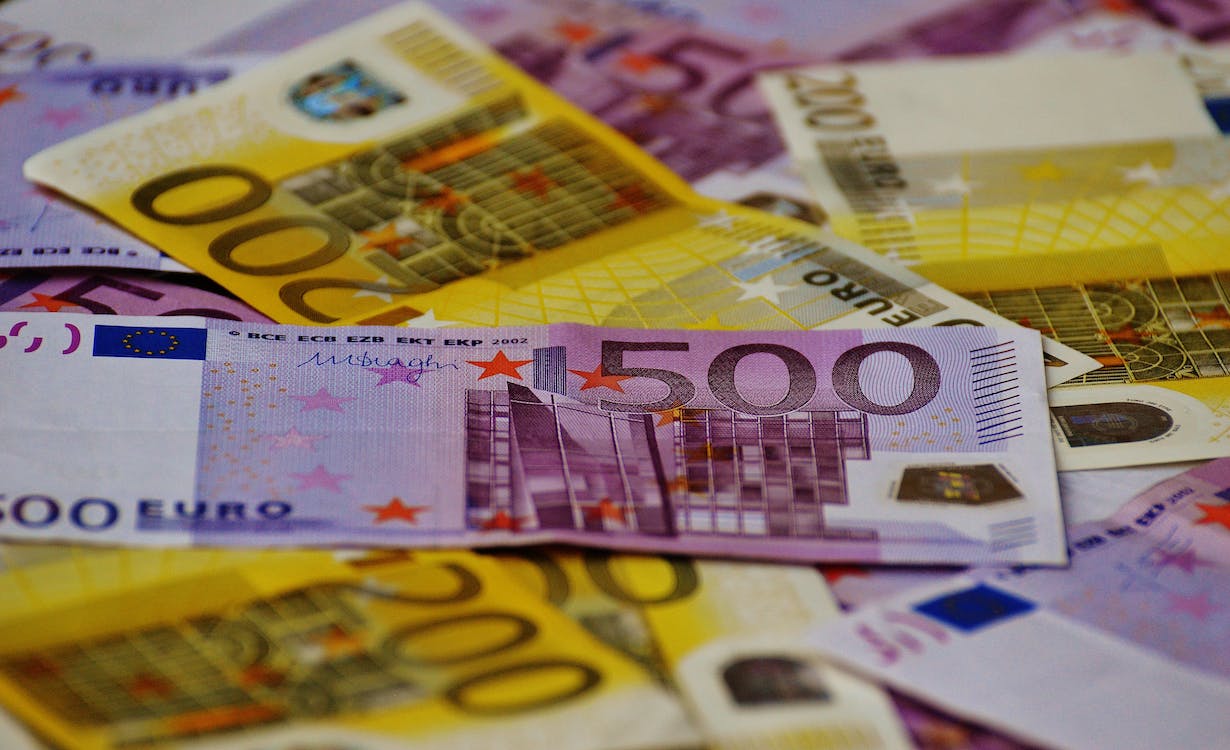
The collective military might, coupled with the trade prowess, has given the European Union a higher degree of power. Three decades after the Single Market came into operation it is relevant to question whether trade ensured the inclusion of power into the equation, especially in light of the strength of the currency of the EU, and its financial markets. A currency of several European member states used by approximately 340 million people daily, is today the second most widely used currency globally, with 60 partner countries or territories also using the currency in some form.

The 69th plenary meeting of the Conference of Parliamentary Committees for Union Affairs (COSAC) is due to convene in Sweden next week. A background note for the session on the Single Market has been circulated prior to the meeting. It claims that “Over the last three decades, the single market has promoted healthy competition and created strong economies and industries across the continent. The removal of barriers for goods, services, capital and people has given us both better companies and more thriving countries, and has provided consumers with higher quality products at better prices. The single market also makes it easier to travel, study, work, live and retire in other member states…. The single market also contributes to the Union’s unique peace project as it has generated increased trade, closer contacts and greater mobility within the Union.”

Trade transposed a region that fought two world wars in the short span of two decades, and has managed to remain relatively peaceful and devoid of conflict for over seven decades. It is granted that challenges remain deeply entrenched, and much doubt is raised over collective action, but it is also true that the European model of integration remains unique and in a league of its own, well ahead of the rest. Davies’ claim remains accurate as the progress “is far more easily described than explained.”


Monday, May 10, 2021

EUROPE DAY: HOW REGIONALISM TRANSFORMED EUROPE

 70th anniversary of the Treaty of Paris

By George I. H. Cooke

Whilst Europe Day is marked across the European Union on 9th May each year in marking the anniversary of the Schuman Declaration, in which a former French Foreign Minister articulated the need for political cooperation across Europe to make war unthinkable, it is the steps taken thereafter and in particular the Treaty of Paris on 1951 that deserves due emphasis.

Considered to be the deepest form of integration experienced in modern world, the European Union has member States who have pooled resources, personnel, services and even sovereignty to emerge as a formidable force on the global stage. In April 1951, France, Italy, West Germany and the three Benelux countries, Belgium, Luxembourg and the Netherlands took a bold step of signing a treaty which came to be known as the Treaty of Paris. Establishing the European Coal and Steel Community, the measures taken seventy years ago have borne fruit over the decades since then.

Whilst the treaty was expected to ensure stability in Western Europe as the Cold War had commenced and the rapid division of the world was taking place, the significant aspect of the Treaty was that countries were pooling their most important resources through this agreement in a bid to consolidate their positions, collectively. Seen as the precursor to the current day European Union, the Treaty of Paris was a harbinger of its time as it provided an example of integration, collective action and a sharing of resources which would ultimately benefit the signatories. The advantageous situation would then spread across the rest of the region too, and lead to the EU of today.

The treaty which came into force on 23rd July 1952 and would end half a century later in 2002 revolutionized trade and regionalism, as it aimed to organize the free movement of coal and steel and more critically it opened access to resources of production.  Through the Treaty these countries witnessed the established of a common High Authority which was geared towards supervising the market, monitoring compliance with competition rules and also ensuring price transparency.

Given the animosity, destruction and tension that the Second World War had spawned the efforts made to collaborate at this juncture were laudable as the common market that was being created would give rise to economic expansion, generate employment and improve living standards, all of which was in a debilitated state following the travails of conflict that had been witnessed in the preceding years. Interestingly the Treaty ensured fair and equal access to the sources of production, and guaranteed prices whilst improving working conditions.

Institutionalization of the Treaty

The Treaty led to the creation of a series of institutions including a High Authority, an Assembly, a Council of Ministers and a Court of Justice, all of which ensured the implementation of the Treaty and adherence to that which had been pledged by member States. The High Authority, which is today’s European Commission was independent. This is the unique characteristic of even the Commission today where Commissioners though coming from countries across the EU, sit as Europeans as opposed to natives of their respective countries. This allows for decision making that is beneficial for the entirety of the Union. The lesson that could be derived from the European Commission is that in a regional grouping while the voices of all member States are relevant and crucial, it is the objective of ensuring that action is taken to promote the integration of the whole that matters the most. The model of the European Commission is the only one of its kind in existence today and is worthy of emulation given its reflection of the views of the whole, rather than its parts. This is where true synergy is harnessed.

Seven decades ago when the High Authority was established it became a supranational entity tasked with supervising the modernization and improvement of production, ensuring the supply of products under identical conditions, developing a common export policy and, from a labour perspective, was entrusted with the mandate of improving the working conditions in the coal and steel industries.  To ensure clarity of purpose and efficiency of service the Treaty also saw the creation of a Consultative Committee which comprised the key stakeholders in the Coal and Steel industry, notably the producers, workers, consumers and dealers, who were directly responsible and would have the task of ensuring the success or failure of the Treaty.

Further, the Treaty established the Assembly, which would lead to the European Parliament as we know it today, which at the time had 78 members, drawn from national parliaments. Whilst there were 18 representatives from Germany, France and Italy, 10 from Belgium and the Netherlands and 4 from Luxembourg, the supervisory power they possessed ensured guidance in keeping with national sentiments. Even the European Parliament which gradually transformed from a body of appointed individuals to one which consisted of elected representatives, displayed the potential of integration and collective decision making for countries which only a few years before had been at war which each other.

The Council that was formed led to the subsequent Council of the European Union that is in existence today, with 6 members at the time from the member States, and with a rotating presidency for 3 months. Geared towards ensuring smooth functioning of the action being taken by the High Authority, this was also the body that was responsible for the final decision making process.

Finally the Treaty also created a Court of Justice, which later transformed into the Court of Justice of the European Union with 7 judges to ensure that the Treaty was accurately interpreted and implemented.

Evolution of the Treaty

The Treaty of 1951 would see several amendments pursuant to discussions among member States who perceived the review as being necessary to keep the values and principles enshrined in the Treaty relevant and timely. While the Merger Treaty of 1965 brought together the European Coal and Steel Community with the European Economic Community and the Eurotom, there was also the Treaty of Greenland in 1984, the Treaty of the European Union in 1992, The Single European Act of 1986, the Treaty of Amsterdam of 1997, the Treaty of Nice in 2001 and the most significant could be considered to be the Treaty of Rome of 1957 which truly moulded the EU into what it is today.

Taking Regionalism forward

Upon reflection of the journey taken by Europe from the Treaty of Paris onwards, it is evident that visionary decision making, clear strategizing and effective implementation of policy were highly essential and valuable attributes. The decision to pool the most important of resources, notably coal and steel and the creation thereby of an oligopoly controlled by the signatories of the Treaty would lead to integration in Europe which went beyond the economic dimension and gradually saw it progressing to its current state of being the deepest form of integration on the planet.

Whilst regionalism as a concept has evolved from its original form of being dependent on geography alone, to now embracing economics, finance, defence, language and even religion, the notion and potential of regionalism was first given meaning through the European Union. Other regional groupings aspire to progress accordingly but of essence is the need to develop indigenous models as opposed to attempting to emulate the same journey taken by the Europeans. The Coal and Steel Pact was of prime importance to the Europeans, and while economics and trade are crucial for all geographical regions, it is but one of the means through which integration can and should be achieved. Similarly the comparison of the EU with other regional groupings is unfair and irrelevant as the conditions, circumstances and context of Europe is vastly different to other regions.

From an Afro-Asian perspective, the Association of South East Asian Nations (ASEAN) has been able to make steady progress, and the African Union (AU) has also attempted deeper integration. However the South Asian Association for Regional Cooperation (SAARC) which is brimming with potential and has the ability to become a shining example of harnessing the value of collaborative action is far from where its founders expected it to be, owing chiefly to bilateral issues which are spilling over onto the regional table. Whilst this must be avoided for the sake of the whole, it needs to be a part of the past, as countries surge forwards to realize the potential of the 21st century. Similarly the Bay of Bengal Initiative for Multi-Sectoral Technical and Economic Cooperation (BIMSTEC) is another grouping with much opportunity as it bridges SAARC and ASEAN, and brings together key countries who can achieve much more than is being experienced at present. Unfortunately the realization of potential has not reached fruition as member States still discuss the visionary potential and are slow to take concrete steps towards realizing that true value.

Whilst multilateralism continues to dominate the international sphere and augments bilateral engagement, models of regional groupings like the European Union which bring together a multiplicity of countries, need to be studied for what they have achieved and the mistakes they have made, analyzed for their progress and understood for the realization of scope in similar bodies elsewhere in the world, especially in Asia. The world of 1951 was vastly different from the one in which we exist today. Having come out of a deadly destructive world war, a few countries of Europe took the bold decision of cooperating to ensure stability, development and prosperity. The fruits of their endeavours are being felt decades later. It was the visionary leadership of the time to which the Europeans of today are thankful, as a region shattered by war, rose once again, and become a contender on the global stage as a collective unit, and not individual countries. This is the effect of collective action and as Europe Day is marked on 09th May in commemoration of the Schuman Declaration, the lessons of the Treaty of Paris ring true today and are worthy of critical study, to promote stability, cooperation and prosperity.  


Saturday, October 24, 2020

UN AT 75: TIME TO CHANGE PERCEPTIONS AND REALIZE POTENTIAL


 by George I. H. Cooke

In 2020, the United Nations completes seven and half decades since its inauguration and since its Charter came into operation on 24th October 1945. Following the brutality of war and the misery it left in its wake, the words of American President Harry Truman remain relevant. In addressing delegates to the opening conference in April 1945, in San Francisco, Truman noted that humanity had learned long ago that it was impossible to survive alone. He stressed that “This same basic principle applies today to nations. We were not isolated during the war. We dare are not become isolated in peace.”

This was a warning. A warning that unless countries realized the potential of collective action, they would toil in vain in their attempts to overcome challenges they face. The clarion call on the need for uniting and progressing under a common banner remains relevant 75 years later, and would certainly remain so in the future.

Sitting at the apex of leadership in multilateralism with numerous agencies and organisations under its umbrella, the United Nations is today faced with countless challenges. It is however through those challenges that the organisation has been able to rise further, and ensure that we, the human race lives a relatively peaceful life. It is owing to the promotion of multilateral engagement and cooperative action at the international and regional levels, that world wars have been averted, disease eradicated and violence reduced. 

Countries, their leaders and peoples have been made to realise, especially in the context of the pandemic sweeping the world, that cooperative action is mandatory for survival and progression. Not just survival of peoples in countries, but the survival of the whole of humanity. For those who opt to go it alone and use unilateral action, as some do, the consequences remain harsh.

Why multilateralism?

Various concerns have been expressed about the effectiveness of multilateral interaction, especially in the 21st century. Whilst a world war hasn’t broken out, several conflicts rage in different neighbourhoods of the world. Whilst deadly diseases like small pox have been eradicated numerous others pervade the planet. Whilst attempts are being made to eradicate hunger, there are still people who fall asleep hungry. So has multilateralism and collective action failed?

At the political level, it is alleged that through multilateral engagement, countries are called upon at times, to dilute strong positions in a bid to build consensus. Also through such engagement, there is it is argued, an apparent loss or a reduction of sovereignty, which is a hindrance for countries in their forward march as they are required to conform to that which is acceptable for the greater good of all, as opposed to ones own people. So has multilateralism and collective action failed?

If a listing of grievances that exist in the world were done, the list would undoubtedly be endless, with problems and challenges in abundance. Yet of importance at this juncture is a reversal in the understanding of that which occurs around us, and the manner in which we look at it. It is the potential and not the problem that needs to be comprehended.

Yes, wars rage in different corners but a world war hasn’t broken out. Yes, numerous diseases, like Covid-19 and many others are around but other deadly ones like small pox are not. Yes, people still fall asleep hungry but that number has drastically reduced owing to efforts, which were even recently recognised in the awarding of the Nobel Peace Prize to the World Food Programme.

In relation to challenges at the political level, yes, multilateralism results in the need to dilute positions to build consensus. Yet of importance is that the consensus that is built is for the benefit of all stakeholders, and not to the detriment of some, as might occur if an issue is resolved through a vote or war. The UN and many other multilateral bodies always explore the potential of building consensus first and leave the option of voting to the last, as voting divides. It creates camps of those in support of a resolution, or those against one. Instead, the process of building consensus generates mutual benefits and collective responsibility in the final result.

Yes, sovereignty gets reduced when countries join international organisations and are called upon to accept binding treaties or adapt domestic policy in accordance with that which is agreed to at the multilateral level. However there isn’t a single country on the planet that hasn’t had its sovereignty compromised. Even the most powerful country, the United States of America cannot lay claim to having its sovereignty completely intact.

When trading internationally there is reliance on outside entities. To purchase goods or services that are required within a country, it is necessary to engage overseas and provide finance in return for that which is being purchased. That makes a country reliant on the country from which it is purchasing. It is the same when selling products of a country internationally. The seller and buyer need to enter into an agreement which is mutually beneficial, and not in favour only of one and to the detriment of the other.

When countries want to generate finances, bonds are sold internationally, making that country reliant on external actors, who have a stake in that country thereafter. When countries want to ensure development occurs, they look to the international community to provide investments. This is reliance once again. Where then is the country that is entirely in charge of its affairs, and is wholly competent and self reliant, and which has its sovereignty completely intact?

The era in which sovereignty was touted as the most sacrosanct aspect of a state has passed. In the 21st century, more than ever before, countries and their leaders are realizing that without the other, their own existence is compromised. It is here that the United Nations has been a beacon of hope in a world often viewed through a lense of gloom.

With its involvement in every imaginable aspect of life on the planet, the UN is today the crucible of change. From its inception, the organisation at the centre and its agencies at the periphery have striven amidst numerous obstacles to overcome, and remain relevant through a process of evolution. Polices are formulated to suit the present, and they are implemented in a concerted manner. Thereafter reviews are conducted and necessary adjustments made as required. As such the UN has been able to do what Charles Darwin remarked was necessary for the human species to continue – to adapt.

The UN has and continues to endeavour to adapt. In the last few decades alone, the UN identified the Millennium Development Goals (MDGs) and thereafter the Sustainable Development Goals (SDGs) as objectives of where humanity should progress. These objectives are relevant to all peoples irrespective of where they are located on the planet. It is in and through the realization of such aspirations that we as a people will make a degree of progress along each of these roads.

In a world of corruption and greed, the achievement of noble goals, in their entirety, is not always feasible, but what is possible is the ability to make considerable progress towards their achievement, which wouldn’t have happened if the goals were not set up at all. 

It is here that countries, leaders and individuals can, and must make a difference. For too long those in positions of leadership have endeavoured to consolidate power for themselves, and those around them, and acted in a manner that they felt would suit them alone. The realization that they too would pass, and others would occupy such positions is not realized when one is at the zenith of power. The need to implement policies that are for the benefit and betterment of all, and for the long-term, and not just a select few, at the present moment, are sometimes conveniently bypassed.

The failure to realise the need to engage far and wide creates a situation in which, owing to rising nationalism and the tacit support given to it, leaders attempt to portray the ability to survive without the support of the outside world. Or on the other hand attempting to pick some over others proves futile as countries require deep forms of exchange with added frequency, if they are to reap the benefits of cooperative action.

Trickling into society too, individuals sometimes prefer to remain silent, ignorant and nonchalant in the face of adversity, exploring instead only that which would benefit oneself. This has resulted in the creation and propagation of a corrupt and greedy society. The inability to ascertain that which occurs around us, or the disinterest in affairs of state and the world, and the impact these developments continue to have on individuals, results in a serious lack of support or appreciation for that which is done for all, by some.

At the individual level it is easy to condemn. It is the same at the international level. Until and unless perceptions change at the individual level and at the level of leadership, the manner in which some view the UN in particular and multilateralism in general, won’t change. It is only with this change the real potential of the UN and multilateralism will be realized.

The synergic effect of international cooperation, especially through multilateralism and its institutions is, it can be argued, the future. As countries collaborate, explore mutually beneficial outcomes and implement policies for all, it will be possible to realise the objectives for which the UN was first established. Whilst all peoples everywhere are not encountering war and violence, starvation or famines, there are some amongst us who are. It is for them that collective action is required. It is for them, who although seen as another in the present context, could well be ourselves in the future, that the UN strives.

In looking back at the last 75 years of its existence, it is opportune to also look ahead to the coming decades. The UN has much to offer, through its consolidated structure, overarching mandate, abundant resources and unique outreach. It remains the main form of hope for humanity as all other multilateral bodies augment the action of the UN, and attempt to enhance that which is done through this global body. At the institution level, the UN and regional organisations have evolved. At the theoretical level, multilateralism and regionalism as concepts have also evolved. It is now time for individuals and those in decision making positions to evolve too.

Former UN Secretary General, Ban Ki-moon would often state that “there is no plan B, because we have no planet B.” At this juncture of the 75th anniversary of the UN, it is relevant to reflect on the need to change perceptions, and realise the potential of the world body if effective engagement and outcomes are to be achieved.

2020 marks a century since multilateralism was introduced through the League of Nations. From then to date, countries have learnt the hard way that cooperation at the international level is the only means through which existence on the planet can be guaranteed, as we have only one planet to live on, at present. 

Lest we forget Truman’s words - “We were not isolated during the war. We dare are not become isolated in peace.” The 75th milestone is yet another reminder that collective action was, is and will be the way forward.