Pages

Showing posts with label Power. Show all posts

Monday, May 8, 2023

CONVERTING TRADE INTO POWER – The European Single Market at 30

Reflections on Europe Day 2023

by George I. H. Cooke
 

The impact of trade on countries that engage in it heavily internationally, and the overall effect it is having on international relations as a whole, continues to baffle. European historian, Norman Davis, points out that “Western Europe’s greatest success story lay in the realm of economic performance. The speed and the scale of economic resurgence after 1948 was unprecedented in European history, and unmatched in any part of the world except Japan. It was so unexpected and spectacular that historians cannot easily agree on its causes. It is far more easily described than explained.”

Herein lies the crucial argument for trade and its intensification, which the European Union, as the foremost model of integration, has been able to achieve. As the Union marks three decades since the establishment of the Single Market, it is prudent to reflect upon that which has been achieved individually by countries, and collectively by the region.

Geared towards facilitating the free flow of goods, services, people and capital, the depth of integration was first envisioned in 1957 through the Treaty of Rome. Considered to be well ahead of its time, the Treaty proposed the reduction of customs duties, establishment of a customs union, creation of a common market, as well as common transport and agricultural policies, and even envisaged the setting up of the European Commission, which is one of the most unique institutions in multilateral bodies.

It was the signing of the Maastricht Treaty on 7 February 1992, that led to the establishment of the Single Market on 1 January 1993 bringing together 12 EU countries, notably, Belgium, Denmark, Germany, Ireland, Greece, Spain, France, Italy, Luxembourg, the Netherlands, Portugal and the United Kingdom. With the expansion of the Union, the Single Market now comprises of the 27 EU Member States and also includes Iceland, Liechtenstein, and Norway, while Switzerland has a degree of involvement as well.

The European Commission highlights that the Single Market has been able to make three distinct shifts - ‘accelerating the transition to a greener and more digital economy; guaranteeing high safety and leading global technological standards; and responding to recent crises with unprecedented speed and determination” – but from an analytical point of view, it has made the European Union one of the strongest trading blocs, and boosted its currency globally. This translates to power on the world stage, that many other regions which have attempted integrating can only aspire to, and are yet to realise.

While the deepened integration might be questioned against the backdrop of the exit of the United Kingdom, it needs to be examined for the progress and impact made over the last three decades. Greece, is probably the EU member that has faced the most trying of financial times in recent years, hence the Greek Foreign Ministry’s assertation that “the seamless operation of the Single Market is a precondition for a strong economy that will benefit all Member States, citizens and businesses and that will meet the conditions of global competition,” is testimony to its resolute commitment to the Single Market. In contrast, Germany, seen as the foremost and strongest economy in the Union, has benefited immensely from the Market. The Bertelsmann Foundation notes that “Germany benefited most in absolute terms from the single market, earning an extra 86 billion euros ($96 billion) a year because of it.”

At first glance it appears that all countries are benefitting from the Single Market, but it is important to note that the advantages accrued vary from one member state to another, and is largely dependent on their size, economy and strength. There is relative gain with Germany for example gaining tremendously, and Greece gaining relatively less, but gaining nonetheless.

Arguments on the contrary claim that the Single Market remains an illusion, which is yet an ‘ongoing project’ despite its many decades of implementation. Fredrik Erixon and Rositsa Georgieva of The Five Freedoms Project, claim that “While the nature and profile of the Single Market, and its regulations, have changed over the years, they often have focused on the wrong issues, or on factors that would not change the nature of markets as such.” This observation relates specifically to the Services sector, with their further claim that “The piecemeal approach to reform, followed until now, has created a complex web of regulations, administrative rules, national discretion, and partial freedoms. Fractional and incomplete liberalization have reduced the potential gains.”

Similarly, highlighting the legal obstacles to implementation, Copenhagen Economics, points out that “the functioning of the Single Market is a shared responsibility between the EU and the Member States. Differences in interpretation and application of EU law are inevitable. Despite years of hard work and substantial real progress, we appear to be some distance from having a well-functioning Single Market, free from unjustified or inappropriate obstacles to free movement.”

Although three decades might not have yielded a completely consolidated system it does however indicate much progress that is yet to be achieved by other regional groupings. The EU Commissioner for Internal Market, Thierry Breton argues that the Single Market is “much more than just a legal framework – or indeed a market. We need to continuously preserve, improve and re-invent this formidable asset.” Breton calls for three crucial measures to ensure that progress. He notes that “first, by ensuring that the rules we have agreed collectively are also applied collectively. Second, by putting SMEs at the centre of Europe’s competitiveness. Third, by ensuring that people and businesses have access to the goods and services they need, when they need them.”

While Breton’s assertion contributes to the concept of the Single Market being an ‘ongoing project’ it indicates the need for collective action for any progress across the grouping. This collective action might not always be forthcoming owing to domestic developments as seen with Brexit, and its impact on the region in particular, and regionalism in general. While Brexit delayed deeper integration, it also raised the question over the amount of integration. However, the United Kingdom had first raised concerns about the European model two years after joining in the mid-1970s. Therefore, the example of the Brexit needs to be examined in different light. Of relevance however, is continuous call for collective action. If Member States pull in different directions, or differ largely over policy and its implementation, the model is on rocky ground.

Yet the acceleration of economic development across the region, the enhancement of trade, and the removal of barriers, has led to the Single Market remaining a firm foundation upon which countries are able to build solid cooperative mechanisms. The Single Market also causes a return to the basic understanding that those who trade are less likely to engage in conflict.

A decade ago, the Stanford Graduate School of Business focused on the research of Matthew O. Jackson and Stephen Nei, who suggested that “military alliances alone aren’t enough to stop nations from attacking one another, and also that the addition of multilateral economic trade creates a more stable, peaceful world.” In their paper on Networks of Military Alliances, War and International Trade, Jackson and Nei observed that “once you bring in trade, you see network structures densify…trade motives are essential to avoiding wars and sustaining stable networks.”

Member States of the European Union embarked on an ambitious programme of integration after the Second World War with trade remaining at the centre, but these members did not sacrifice defence either, and many are Members of the North Atlantic Treaty Organization (NATO). Thus, military alliances have not been completely forgotten or sidelined, but have been nurtured too, and especially so in the last three decades. After the collapse of the Soviet Union and the end of the Cold War, NATO evolved, and this evolution is attributed to Member States taking concrete action to ensure their preparedness if and when required.

While Europe has been able to avoid war among its constituent, yet sovereign entities, it is today grappling with war on its border as Ukraine and Russia continue to engage violently. However, NATO not activating a no-fly zone over Ukraine despite demands for the same from Ukraine, has probably been the saving factor that has ensured that war has not spilt over into Europe, and in fact the entire world.

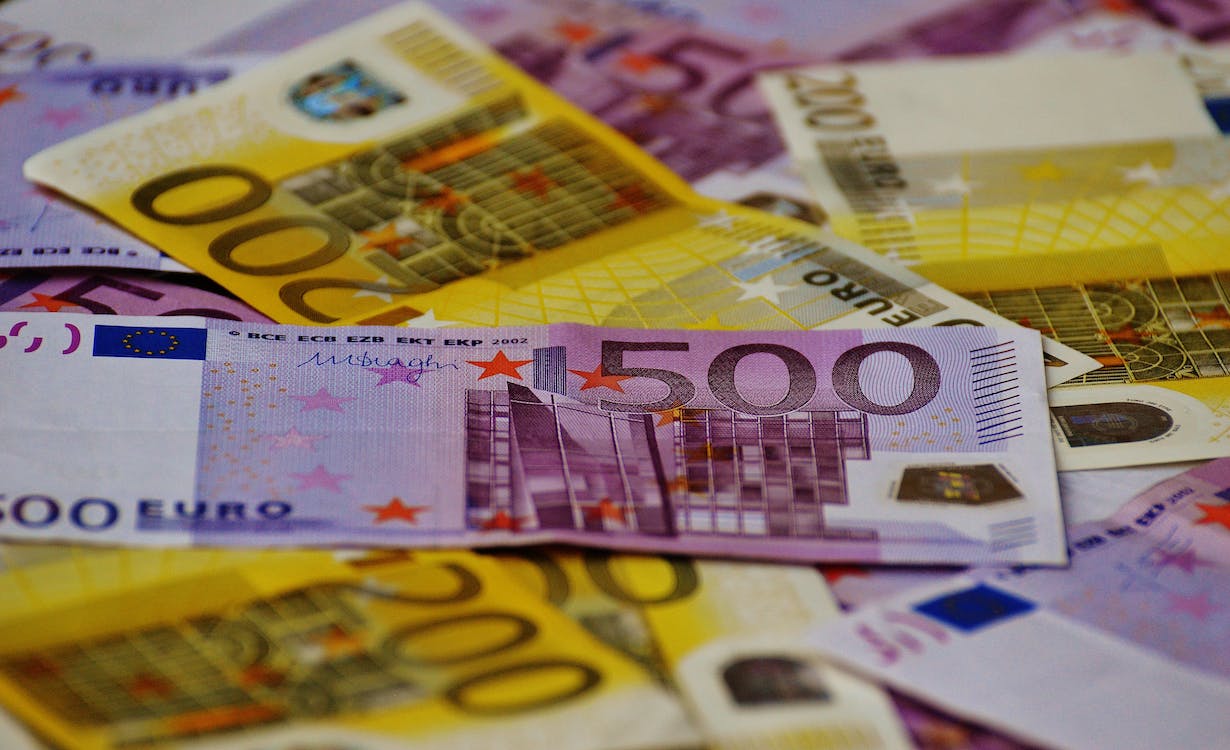
The collective military might, coupled with the trade prowess, has given the European Union a higher degree of power. Three decades after the Single Market came into operation it is relevant to question whether trade ensured the inclusion of power into the equation, especially in light of the strength of the currency of the EU, and its financial markets. A currency of several European member states used by approximately 340 million people daily, is today the second most widely used currency globally, with 60 partner countries or territories also using the currency in some form.

The 69th plenary meeting of the Conference of Parliamentary Committees for Union Affairs (COSAC) is due to convene in Sweden next week. A background note for the session on the Single Market has been circulated prior to the meeting. It claims that “Over the last three decades, the single market has promoted healthy competition and created strong economies and industries across the continent. The removal of barriers for goods, services, capital and people has given us both better companies and more thriving countries, and has provided consumers with higher quality products at better prices. The single market also makes it easier to travel, study, work, live and retire in other member states…. The single market also contributes to the Union’s unique peace project as it has generated increased trade, closer contacts and greater mobility within the Union.”

Trade transposed a region that fought two world wars in the short span of two decades, and has managed to remain relatively peaceful and devoid of conflict for over seven decades. It is granted that challenges remain deeply entrenched, and much doubt is raised over collective action, but it is also true that the European model of integration remains unique and in a league of its own, well ahead of the rest. Davies’ claim remains accurate as the progress “is far more easily described than explained.”


Monday, August 15, 2022

THE DEMOCRACY THAT IS INDIA: INTRIGUING, EVOLVING AND INSPIRING

Marking 75 years of Indian Independence

By George I. H. Cooke

Preserving democratic values, ensuring the maintenance of democratic standards and strengthening the process of democratization, are formidable measures for any country. When a country with a population of nearly one and a half billion embraces democracy as its political ideology, continuously champions this system for more than seven decades and implements it across the entirety of its length and breadth and at all levels of its political being, it is clear that democracy has been able to withstand much. India is today the largest democracy on the planet, and with its position comes much responsibility.

The democratization of India, whereby the world saw the abandoning of hereditary monarchical systems, and the dismantling of the privileged structure that had existed even through colonialism, was to set India on a pedestal. Yet this pedestal was not one of natural influence and ability. It did not occur accidentally either. It was to be one on which and from which India, her leaders and people would be called upon to formulate and implement policies that would sustain democracy, nurture its values and ensure that all - irrespective of their communities, religions and castes - who identified as Indian, would be beneficiaries. The journey was not without its challenges, but it is the journey itself that remains remarkable.

The Intrigue - Lessons of the Past

At Independence, Jawaharlal Nehru, was at pains to ensure that India remained a secular nation, which rallied around the Indian flag and identified primarily as Indians, before all else. Undoubtedly it was a firm foundation that gave the Indian nation a strong start. His presence at the helm for seventeen years till 1964 guaranteed that the seeds he sowed would have the opportunity to grow unhindered for nearly two decades. In many neighbouring countries of South Asia, leaders at independence did not survive for even a decade thereafter to see the results of their pre-independence struggles or to fully implement policies they deemed fit for their emerging countries.

India thus received an advantageous commencement on a journey, that has seemed more like a race, with neighbours, with the Cold War, with non-alignment, and with economic liberalization among other entities and concepts, but most importantly with internal challenges of keeping a country as diverse, as different, and as divided as India, together. This diversity is upheld today as a great boost for image and publicity in the international community. Yet arriving at the present involved much cohabitation, compromise and cooperation, that was, is and continues to be unparalleled in the world.

The Evolution – Overcoming Challenges

While it is argued that the holding of elections at regular intervals and electing leaders are not the totality of democracy, they are key components. In the last 75 years Indians have elected leaders and political parties and in so doing removed others, who were subsequently bought back at later times. Leaders have resigned, died in office, been assassinated, Parliament has been attacked, the fundamentals of democracy have come under siege, but despite all of these occurrences and much more, the Republic remains strong. Presiding over a federal system that aims to embrace the diversity and overcome the differences is a complex task. In reflecting upon that which has been, it is evident that the complexity has been comprehended. If not, the Republic would have disintegrated quite some time ago.

Lincoln observed that people remain at the core of any democracy. Whether the ones who are elected, or the ones who elect, it is people who are the direct beneficiaries of any democratic society. Thus, people must never leave the equation nor allow themselves to be excluded from it. If any attempt has been made or is being made to restrict that which a democracy affords, all effort needs to be exerted to rein in the constrictions and permit instead the prevalence and proliferation of all that a democracy stands for.

In neighbouring Sri Lanka, the oldest democracy in this part of the world having gained universal franchise in 1931, when efforts were underway to undermine people, with ill-advised policies, erroneous decisions, incompetent leadership and heightened corruption, that collectively misled a nation of 21 million, people rose up. In proof that democracies are constantly evolving, the people forced leaders out of office due to the aforementioned reasons, and demanded change. While mandates are given at elections, mandates can also be withdrawn especially through mass protests that signify the displeasure of the people and their desire to safeguard the democratic standards that are enshrined in the constitution and which must be preserved in a democracy.

The Inspiration - Strategizing for the Future

Democracy with all its complexities and connotations is still the optimal governance system for any country. Giving people the freedom to elect their representatives who in turn are called upon to formulate sound policies which would have a positive impact on the entirety of the polity, is by far the accepted form of governance, and is widely practiced. India, as the world’s largest democracy has a bigger burden. This is not confined to the implementation of proactive democratic principles within the country alone. It extends to the immediate sub region, the greater Asian region, and the international community. The Indian model, despite its complications and conundrums experienced within, is still the largest working model in the world today. With the growth in population, this position is not likely to be changed for the rest of the 21st century, and would only be further strengthened in the decades to come.

The onus is thus on India. Indian leaders have an obligation to their people, which extends beyond. The first obligation is to the people of the vast country to be able to live in a society that enshrines basics freedoms, guarantees equality in all respects, and promotes understanding amid diversity. At no time must the citizenry of a country that occupies this primal position be forced to compromise on their freedoms, have their voices silenced, find themselves bereft of recourse to justice, encounter an erosion of democratic institutions, or have any form of ideology foisted upon them. The liberal nature of democracy can create space for such challenges to thrive, but it is the people who remain at the core, and who must be able to thwart any weakening or destabilizing of the democratic norms upon which their nation has been built.

The second obligation is to countries that adhere to the democratic form of governance. If a country the size of India falters, the repercussions would be widespread. Thus far the country has survived in close geographic proximity to two of the largest countries, that advocate different policies of governance. Whilst their preferred policies have been implemented for decades, and would prove effective for them as a means of governance, the larger Asian neighbourhood has adopted democratic norms, as has most of the world. Any faltering or failure to remain the strong, representative democracy that India was envisioned to be at independence, would prove detrimental to many.

Given the challenging global environment in which democracy attempts to thrive, with a skew of ‘isms’ disrupting countries and their courses, India has a third obligation to the democratic tradition as a whole. The concept was first coined in the middle of the 5th century to denote the system of governance in Greek city states, which had populations of several thousands. Thereafter it survived millennia, and is today practiced in a single country that possesses a population of nearly one and a half billion. This is testimony to the fundamental importance of the system, its traits and what it proffers its adherents. Therein India remains an inspiration to all, from fledgling states to well-founded ones, and cannot renounce its role.

As India surges ahead towards further milestones, it is the action taken at present, that would see the country emerge as a global giant or remain a regional power. Whether through partnerships with the Quadrilateral Security Dialogue (QUAD) or membership in the Bay of Bengal Initiative for Multisectoral Technical and Economic Cooperation (BIMSTEC) or even Shanghai Cooperation Organization (SCO), through intensified performance in larger multilateral bodies like the United Nations and its affiliated agencies and organizations, or even in its bilateral relations in South Asia and the world, India can readily rely on two key features, democracy and diplomacy. Both have been strategically implemented and have stood the country in good stead. However as with all key characteristics, no lapses can be encountered, no slips allowed and no mistakes permitted.

India’s place in the world, and also in history has been guaranteed to a large extent by its democratic credentials, which have been bolstered by an effective diplomatic apparatus. In its engagement with the people of India, the people of the region, and those of the world, the Indian leadership has and must continue to safeguard democratic ideals, and guarantee their implementation. A strategized foreign policy administered by an effective and efficient diplomatic structure will see the country raise its stakes for global leadership, realize that which was envisaged more than seven decades ago, and reinforce the enormity of potential and opportunity of the country and her people.


Friday, August 5, 2022

SHINZO ABE: PRESERVING HIS LEGACY

Guest Commentary by Banura Nandathilake

Subscribers to international relations often come to a junction between theories: Realism, which posits a zero sum world where external circumstances such as hard power and anarchy that are beyond any individual define the ways in which states do what they do, and constructivism which understands an interdependent society of states where leaders truly have an tangible impact on inter-state relations through social mechanisms. The case for the latter seems to outweigh the former in the analysis of Shinzo Abe however, who left an ineffaceable mark on Japanese foreign policy, by guiding a largely pacifist Japan to one that actively moulds and shapes the security, economic and diplomatic architecture of the Indo Pacific and beyond.

As the heir of a distinguished political family, Abe entered politics in the 1990s where he sought to largely continue the policies of his grandfather, the former Japanese Prime Minister Nobusuke Kishi: Regain the ability to exert Japanese power on the regional and world stage by removing the shackles imposed by the US and a faction of the then Japanese political class. As such, Abe went on to become Japan’s longest-serving Prime Minister with four terms (2006-7, 2012-14, 2014-17, 2017-20). On 8 July 2022 however, in an event that stunned the heavily gun restricted Japan, the former Japanese Prime Minister was shot and killed during his campaigning run for his party in the Japanese city of Nara. Despite the untimely passing of the "shadow shogun", the direction of Japan's future may be influenced by, thereby correlate with Abe's "vision" to a great extent (Green, CSIS 2022). Japan has built a full-fledged national security establishment, an estimated 1.7% growth in GDP in 2022, and is a bastion of neo liberal democratic policies in the Indo pacific. Below is an obituary for a man who had a heavy hand in reawakening Japan, wherein his effect on domestic and foreign policies will be appreciated.

Domestic Political Legacy

While for many, Abe’s career was one of dramatic and unlikely turns which spanned 14 years and saw him into extraordinary power to influence the direction of Japanese domestic policy, Sheila Smith of Council on Foreign Relations and others understand that a revised domestic constitution may be Abe's major legacy.

Just two days after Abe’s assassination, the Japanese voted in the Upper House election, awarding the government led by the current Prime Minister Fumio Kishida their anticipated victory. Interestingly, Smith notes that the assassination had no credible change in the election environment. The voter turnout was on par with previous years, and Abe’s party, the Liberal Democratic Party (LDP) had a structural advantage as the smaller opposition parties did not form a united front thus further dividing the vote. As such, an Upper House win by the LDP could open an avenue for a Constitutional revision, once an ambition of the former Prime Minister. While factors that may postpone an immediate revision do exist, she notes that a revision could have a lasting impact on Abe’s legacy.

Abenomics

Abe’s vision was of regaining the ability to exercise Japanese power, by losing her shackles imposed by low domestic economic power and capital, which can then be turned into military might and diplomatic currency. However, Japanese capabilities were idling, due to the lack of opportunities as per legal and international constraints in the post WW2 era. In the understanding that securing Japan’s future would require an economy with a new foundation for growth, the economic programme “Abenomics” was born. The programme was an attempt to kickstart Japan’s dormant capabilities through expansionary monetary policy, fiscal stimulus, and a long list of industrial, labour, and regulatory policies to incentivise endogenous development. Abenomics aimed to shift production from agrarian or low value sectors to high income productive sectors to slow the decline of Japan’s labour force, in an “serious, sustained, and flexible attempt to grapple with Japan’s growth challenges” (Harris, FP 2022).

Abenomics was instrumental in reviving the Japanese economy, as well as supercharging Abe’s political career. The programme reversed years of stagnation, boosted corporate profits and state tax revenues, thereby reducing unemployment and crime. As such, Abe was able to coast past domestic elections, pausing the tradition of short-lived premierships in Japan. The resulting political durability allowed him to pursue long term ambitions, such as creating a National Security Council which distilled the defence apparatus through the Prime Minister’s office. Such a creation then allowed for a more active foreign policy over the existing passive structure, which sought to strengthen regional ties while balancing against regional hegemons. 

Japan-India Relations

Relations between Cold war Japan and India were one of polite distance: Japan was a US ally, while India was procedurally non-aligned with some overlap of interests with the USSR. Despite the deterioration of the said relations during the 1988 Indian nuclear missile test and the Japanese economic sanctions that followed, the two states were quick to repair and rebuild a “global partnership’’, proposed by the Japanese Prime Minister Mori Yoshiro a few years later during his visit to India. However, it was Abe that built the stage for a more cohesive and interdependent Japanese-Indian relationship, such as the “India Japan Strategic and Global Partnership’’ (2007). Bilateral relations were further strengthened during Abe’s third term in 2014 through a “special and strategic partnership,” which encompassed diplomatic, security and economic sectors. Trade between Japan and India increased exponentially from 2007, while Japan and India cooperated on security issues in the Indo-Pacific through the Quad.

Moreover, it could be understood that Abe's 2007 visit to India was not only significant for the Japan-India relationship, but also India’s perception of itself and its role in the region (Miller, CFR 2022). Miller understands that it was Japan that influenced India, ‘a notoriously reluctant and cautious actor in global politics’ to join Abe’s Indo-Pacific vision, which now serves as an ideological, economic and military buffer to the rise of China. This vision of the “confluence of the two seas” - Pacific and Indian, were first outlined by Abe in his speech during his first visit to India in 2007, and laid the foundation for the “free and open Indo-Pacific” concept which was later adopted by the United States.

China and the Quad

China’s rise in the contemporary era has been unprecedented. An authoritarian political system combined with a quasi-capitalist economic system has allowed China to gain regional hegemony and a global great power ranking, allowing its influential military, economic and diplomatic alliances. Such a rise presents a growing threat and demands a balance of power between China and the US and Allies. Of those allies, Abe represented a significant one: Japan.

While Abe was central in expanding India's position in the Indo-Pacific, his pragmatic approach to relations with China demanded a closer look. Abe could be considered a soft liner on Sino-Japan relations, so much so that he was called a "traitor" by many Japanese patriots. This may be so since the uneven economic balance of power weighed more towards China than Japan: Japan needed China for trade and manufacturing, than vice versa. However, as Mireya Solís, the director of the Centre for East Asia Policy Studies at the Brookings Institution understood, despite his efforts to maintain closer relations with China “Abe felt very strongly that Japan could not live in an Asia where China had hegemony”. As such, Abe’s pragmatism recognised that despite interdependence and globalisation, China represented a challenge on all fronts, diplomatic, economic and military. Ergo, Abe may have been instrumental in setting the tone for the Japanese defence apparatus. Furthermore, Abe subscribed to right leaning nationalist policies domestically, as he helped coax a pacifist Japanese public to oppose China’s meteoric and bullish rise, further laying the groundwork for the direction of Japanese foreign policy.

However, his vision of a free and open Indo-Pacific may have trumped all else. His influence soon superseded national and regional boundaries, as President Joe Biden, who once worked with Abe as the vice president during the Obama administration, put it “He (Abe) was a champion of the Alliance between our nations and the friendship between our people”, and promised to continue Abe’s “vision of a free and open Indo-Pacific” (2022). The US and Japan, along with India and Australia, form the Quadrilateral Security Dialogue, which represents a bulwark against China in the Indo-Pacific. While the US had more economic and military might than Japan, Abe was still paramount in laying the rhetorical groundwork for the Quad, “providing structural, conceptual ideas to things that needed to be provided at a time when it seemed like it was crumbling.” (Hornung, 2022).

On Taiwan

A great power conflict in East Asia appears to brew over the Island of Taiwan which stands a stone's throw away from the shores of China. While the ideological divide stems from the great powers US and China, US allies such as South Korea, Japan and Taiwan are not passive watchers either.

Japanese leaders before Abe were uncomfortable with using force to defend Taiwan, as implications of such a move for Japanese security, and how Japan's responses to such scenarios were heavily debated. But it was Abe that argued in 2021, “a Taiwan emergency is a Japanese emergency, and therefore an emergency for the Japan-U.S. alliance. President Xi Jinping in particular, should never have a misunderstanding in recognizing this”. Abe was thus paramount in transforming Japan’s relationship with Taiwan to counter threats from China, for he recognised a hegemonic China posed a risk not just to the security of the liberal democratic states of East Asia, but their economic and sociological institutions as well. As such, Prime Minister Abe emphasised shared economic, political and ideological values between Japan and Taiwan, where he referred to Taiwan as a “precious friend,” an angle the incoming governments adopted thereafter. Abe was an advocate of stronger relations with Taiwan so much so that he went on to argue that the US policy of strategic ambiguity was “fostering instability in the Indo-Pacific region” as he called out the US to “make clear that it will defend Taiwan against any attempted Chinese invasion.”

Furthermore, it was during Mr. Abe’s tenure as Prime Minister that one of the major sore points in the bilateral relationship between Taiwan and Japan were resolved. After 17 years of negotiations, in 2013 Japan and Taiwan concluded Japanese recognition of Taiwanese Fishing rights in the East China Sea. As such, affection for Abe and Japan in Taiwan have reached record highs. Thus, after the news of Abe’s passing had reached Taiwan, President Tsai Ing-wen honoured “Taiwan’s most loyal best friend” with the national flag flown at half-mast.

Shinzo Abe could be called a realist, for he understood that despite diplomacy and the multilateral handshaking, states with different value systems and interests must communicate through hard power and deterrence. But to call him a pragmatist through the constructivist lens could be more apt, as he understood that despite anarchy and hard power considerations, leaders are still able to make a difference in the domestic and foreign policies of a state, thereby keeping up with an evolving world stage. As the world honours him in his passing, it is now up to his successors to carry his legacy forward.


Saturday, July 2, 2022

RUSSIA OVERSHADOWS G7 2022 SUMMIT

GUEST COMMENTARY by Banura Nandathilake


Despite being an informal collective of ‘advanced economic’ liberal democratic states, the Group of 7 (G7) bringing together Canada, France, Germany, Italy, Japan and the United Kingdom and the United States have fervent goals. Held from 26 to 28 June 2022, the summit was in response to a global society capsized by division and shocks, as a call to unite and join to defend ‘universal human rights and democratic values, the rules-based multilateral order, and the resilience of democratic societies’ (G7, 2022). The viability of such remains to be seen.

Formed in 1975, leading states in a world of global economic recession induced by the OPEC oil embargo understood it may be in their mutual interest to coordinate on macroeconomic interdependencies. While it was first a forum for Finance ministers to hold annual meetings, the G7 developed into a round-table between leaders of the Western World. In 1988, Russia joined the G7, which was then named the G8 albeit temporarily until Russia’s dismissal for its annexation of Crimea from Ukraine.

The G7 states in the contemporary, with an aggregate that represents 45 percent of the global economy in nominal terms and 10% of the world’s population, hold annual summits to coordinate economic policy goals, facilitate collective action on transnational issues and propagate neo liberal norms, in conjunction with the European Union and other invitees. All 7 member states are identified as mature and advanced democracies with a Human Development Index score of 0.800 or higher.

Unlike international organisations and groups such as NATO, the G7 group has no formal legal existence, no permanent secretariat or official members. It thus has no legally binding rules that abide by or ratify states to uphold decisions and commitments made at G7 meetings. As such, while compliance with G7 norms is procedurally voluntary, they are impacted by social norms of persuasion, influence, mutual accountability and reputation. Topics of conversation between member states have encompassed growing challenges such as counterterrorism, development, education, health, human rights and climate change.

The 2022 Summit

From 26-28 June 2022, the leaders of G7 States met in Elmau, Germany joined by the leaders of Argentina, India, Indonesia, Senegal and South Africa, as well as Ukraine. Representatives included German Chancellor Olaf Scholz, Italian Prime Minister Mario Draghi, US President Joe Biden, British Prime Minister Boris Johnson, Canadian Prime Minister Justin Trudeau, Japanese Prime Minister Fumio Kishida, French President Emmanuel Macron, European Council President Charles Michel and European Commission President Ursula von der Leyen,

The summit focused on the Covid-19 crisis, climate change, the Russian Ukrainian conflict, and China. 

Climate Change

The shared concerns of climate change were a major topic of discussion during the 2022 Summit. The group endorsed the goals of an open and cooperative international Climate Club, in alignment with the 1.5°C pathways and hastened the implementation of the Paris agreement. The group further pledged to commit to a decarbonised transportation sector by 2030, a fully or predominantly decarbonised power sector by 2035. However, the latter may have been incentivised by political concerns of Western states to a major degree.

Liberal Democracies of the West

Liberal democracies may be understood to exist where the state subscribes to a liberal economic system and a democratic political system. A concise summary of such is as a liberal economic system proscribes significant political control over an decentralised, capitalistic, market driven economic system, as it is understood that the market mechanism is the most efficient means of linking demand to supply, market to consumer. A democracy may be understood as a domestic political model which, in conjunction with an impartial judiciary, free media and others, elected representatives aim to promote a decentralised representative governance through accountable, transparent and inclusive institutions.

By virtue of being a liberal democracy, all member states find common ground, parallel norms, alignment of macro foreign policy goals and understanding with each other. This allows the informal G7 to coordinate hard power security and economic interdependence in addition to cooperating with civil society groups to promote human rights, and uphold a democratic zone of peace in the face of non-democratic powers. A strong culture of mutual accountability exists between G7 states. Accountability may be through internal processors of the forum, where social norms allow for persuasion and disincentivize coercion. Coercion may not at all be necessary, as liberal democratic states would all be of a positive sum world view. Furthermore, the level of trade interdependence between states would act as means of checks and balances, as every state is needed by the other, thus it is in every G7 state’s interest to be in their good books.

The Illiberal Rest

Russia and China, in addition to states such as Iran, Saudi Arabia and Venezuela are understood by the West to be illiberal states. Both major powers, albeit one a receding power, have capitalist and liberal economic systems where the state’s political machine exerts a heavy pressure on the market mechanism. While the state may be able to provide a higher quality safety net to its citizens by restraining the destructive forces of capitalism to better allocate scarce resources amongst the vulnerable, significant barriers to such exist. China’s GDP has grown at a surprising rate vis a vis other developing states, which has allowed the CCP significant geopolitical leverage. However, China’s domestic political model is authoritarian, whereby citizens do not have much say in how they are governed. Exclusive political institutions have no means of accountability or transparency, which leads to significant corruption. As Wedeman (2004) analyses, corruption is a feature of the Chinese system, thereby stifling economic and social growth. Corruption and lack of domestic checks and balances to those in power may be more apparent in Russia than China, where the control of the Kremlin and the Oligarchs have poignant effects on not just its citizens but also its neighbours; as the lack of domestic accountability may mean the lack of stringent checks balances, which then mean lesser shackles on the zero-sum ambitions.

Russia-Ukraine Conflict

The Russia-Ukraine conflict may be interpreted as a conflict between the forces of liberal democratic values of positive peace, pluralism and self-determination versus a one man’s nostalgic dreams of a ‘Neo’ USSR. Being at complete odds, the reaffirmed condemnation of Russia’s ‘’illegal and unjustifiable war of aggression against Ukraine’’ by the liberal democratic G7 states is hardly a surprise. Nor is their promise of ‘’needed financial, humanitarian, military, and diplomatic support’’ for Ukraine in its defence of its sovereignty, during its path on a free and democratic society.

The Sanctions Regime

Sanctions and more sanctions were promised by the group of seven advanced economies, who vowed to “align and expand targeted sanctions to further restrict Russia’’ in its access to key technological industrial imports and services. Such a move would severely restrict the ability to sustain their war machine thereby adhering to security commitments to Ukraine. The G7 Leaders pledged new sanctions on Russians who had committed war crimes in Ukraine, and are contributing to exacerbating “global food insecurity” by “stealing and exporting Ukrainian grain”. New penalties on Russian gold exports were further proposed, as well as a cap on the oil price to phase out global dependency on Russian energy.

However, a complete restriction of the import of Russian energy may be an ambitious task. European nations such as France get a quarter of their oil and 40% of their gas from Russia. While Germany has halted the progress of the controversial Nord Stream 2 pipeline, the EU has currently agreed to reduce its Russian gas imports by only two-thirds. President Biden however is banning all Russian oil and gas imports to the US, and the UK is ready to phase out Russian oil by the end of the year. The US, UK and Ukrainian Leaders are keen for other G7 nations to follow suit.

Ukraine's President Volodymyr Zelenskyy, who joined in on a trio of meetings via Videolink, stated that the summit will show "who is our friend, who is our partner and who sold us out and betrayed us". He reiterated his calls for fresh deliveries of weaponry, as he believes Russia will want to extend the war until winter wherein they could make new territorial gains to consolidate power. The financial support of G7 allies in 2022 already amounts to more than USD 2.8 billion in humanitarian aid, and a further USD 29.5 billion is pledged in supporting Ukrainian reconstruction.

China and the BRI

A growing China poses a “threefold threat” to G7 countries — economically, ideologically, and geopolitically. China’s GDP is second only to the US and it is fast catching up. China’s growing state-overseen tech industry, fuelled by globalisation and interdependence, is fast spreading a culture of surveillance and censorship, which act as means for the globalisation of authoritarianism. Said authoritarian ideals are further spread through Chinese geopolitical projects and alliances such as the BRI, which usually focus on developing, quasi democratic states with little to no accountability such as those in Africa and Central Asia. Furthermore, China’s action with regard to the Uyghurs in the Xinjiang region and its influence in Hong Kong have drawn condemnation from G7 members. China’s growing trade and defence ties with Russia have also caused concerns.

A Western Counter to the BRI

A Western counter to the BRI emerged during the G7 summit, aptly named Partnership for Global Infrastructure and Investment. The BRI is a global infrastructure development strategy which was developed as per Chinese leader Xi Jinping's vision in 2013, as a means for China to assume a greater role in global politics by easing access to China and its capabilities and boosting global GDP. Dubbed the Belt and Road Initiative and with over 145 countries signed up, the BRI is currently constructing a network of overland routes, rail transportation, sea lanes and energy pipelines to connect China to Southeast Asia, Central and South Asia, the Middle East, Europe and Africa. However, the project has been criticised as a tool to increase China’s political leverage in developing countries. Thereby, the BRI has been criticised for neocolonialism, economic imperialism.

In such a context, the G7 had launched a $600bn Build Back Better World (B3W) initiative infrastructure plan to counter China, in private and public funds to finance infrastructure in developing low and middle-income countries over five years. By working to narrow the global investment gap, the B3W would create new Just Energy Transition Partnerships with Indonesia, India, Senegal and Vietnam, building on existing partnerships with South Africa.

While US President Biden understood that “Developing countries often lack the essential infrastructure to help navigate global shocks (thus) feel the impacts … and they have a harder time recovering,” he stressed that the B3W “isn’t aid or charity. It’s an investment that will deliver returns for everyone”. Despite being dwarfed in comparison to the multi-trillion-dollar BRI, the B3W offers means of accountability, transparency and mutual trust between the neo liberal developed states and the developing states. The initiative would, according to Biden, further allow developing states to “see the concrete benefits of partnering with democracies”. While a cynic may argue that the developed have no interest in the developing other than exploitation and/or self-interest, and such may be observed to be true, President Biden may have been right when he said that underdevelopment is “not just a humanitarian concern, but an economic and a security concern for all”.


Mutual gains depend on interdependence, and without developing countries, there cannot be any sustainable recovery of the world economy. However, the development of low-income states is necessary but insufficient for a holistic global economic recovery, which remains shadowed by the conflict of value systems: liberal and illiberal, democratic and authoritarian.


Sunday, January 10, 2021

‘EXTREMIST DEMOCRACY’: Reflections on the January Rebellion


by George I. H. Cooke

The propagation of extremism, the political patronage it receives, and the fueling of division in society by extremist elements and their actions, is the very antithesis of democracy and democratic principles. Extremist activities are said to have spawned in developing countries, or those that belong to the global south. It is often claimed that such countries are politically immature, possess insecure governance mechanisms, have denied their people liberties and are themselves to blame for the problems they encounter.

Yet it was the United States of America, identified as a beacon of democracy that faced one of its greatest trials on 6th January 2021, when the country walked a thin line. A country seen to be at the top of the power ladder, economically surging ahead of the rest, financially the giant amongst other stalwarts, and the home of the Statue of Liberty was the location of the latest explosion of extremism. Supremacy of one community, one party, and one individual remained the narcissistic magnet that galvanized anti-democratic forces and spurred them on. As these elements used violent means to break into the sacrosanct halls of democracy on Capitol Hill, while democratic values were being upheld in the chambers and the recognition of presidential transition was at play, questions have arisen:

Has democracy become a victim of itself?

Has the rise of extremism reached feverish levels?

Has the security apparatus failed?

Democracy

6th January 2021 could be the harbinger of a new form of democracy, which may be termed Extremist Democracy. This form goes beyond the sphere of radical democracy into territory wherein the achievement of an individual’s goals supersedes all else, and gives effect to freedom of the individual as the supreme form over all else. It is fanaticism taken to an extreme, with an individual, and in this scenario a President, who remained intolerant of the results of an election that pronounced his opponent the winner. The January Rebellion was borne out of democracy. It was a response to democracy. It was also an attack on democracy.

On 6th January 1941, American President Franklin D. Roosevelt stood in the US Congress and delivered his State of the Union Address highlighting the need to protect freedom in his iconic speech on ‘Four Freedoms’ wherein he talked about the need to protect universal freedom that all people possessed.  Stressing the true value of democracy, he cautioned against the absence of freedom and the rampant effect it would have on America and the rest of the world. He was speaking at the beginning of a year which remains significant as the attack on Pearl Harbour in December 1941 drew the United States into the Second World War and heralded the position and platform that was created for that country from then to date.

Eighty years later another President, Donald J. Trump stood outside the White House and urged his supporters to use those very same freedoms that his predecessor had described and to march on Capitol Hill. While addressing the crowds he urged them to never give up their struggle to see him re-elected to the office of President. Trump stressed that “We will never give up. We will never concede. It will never happen. You don’t concede when there’s theft involved. Our country has had enough. We will not take it anymore.” Seen as a clarion call to his supporters, the words of the President were an encouragement of the masses, their attack on the halls of democracy and the death of people, as well as vandalism of state property and hours of carnage and destruction, all of which was beamed across the world.

Has Roosevelt’s espousal of democracy resulted in society benefitting to the extent that it now formulates its own interpretation by taking it to an extreme? Here the essence of democracy has been submerged, and instead democracy has become a victim of itself.

Extremism

The notion that one’s own beliefs supersede all else, the lack of respect of the other, the inability to see the other for what they stand for rather than who they are, and the self-styled blinkers that restrict ones vision to anything else but what one wants everyone to see and know, has resulted in the rise, and spread of extremism in societies across the world. The recent rise of nationalism, wherein a ‘nation’ is identified to represent a community along narrow lines, rather than a country in a holistic manner, has seen the commitment of acts of violence, the taking of lives, and the destruction of property. The economic and financial impact is yet another arena which remains noteworthy.

At no stage of their actions do extremist elements reflect upon the damage they do to their cause and community. They fail to see the ramifications of their actions, and the deepening of prejudice against that which they espouse. It is this failure that leads to their subsequent downfall.

Since the attack on Pearl Harbour eighty years ago, the United States has always taken a high moral ground on human rights and values, their dissemination and their safeguarding in countless instances across scores of countries. The stance taken has been one in which those affected were asked to adhere to better and improved standards. They were questioned on their choice of policy and its implementation. They were sanctioned, reprimanded, identified at multilateral fora and accused of failing their people as a whole.

Yet today it is the United States that is a victim of extremism. It is America that needs the rhetoric to stop, that needs the healing, and most of all needs to respect diversity of view and vision. This has got to seep into a society that is determined to see it entrenched in other societies around the world. There is much work that the Biden administration would have to contend with. The absence of tolerance and the inability to move beyond tolerance into the realm of respect has driven the extremist elements in United States and in societies across the world to embrace violence to justify their own stance.  Hence it is leaders who are called upon to act with strength of purpose and will, to do what is right by the general populace and the future of the country and not merely what is preferred by a segment.

The usage of violence to achieve ones goals is akin to the engagement in terrorism. Countries have experienced egoistic individuals, who utilised the grievances of peoples and communities to allegedly espouse causes but have done so through the means of terror. Such individuals, now relegated to history, identified violence as the means to their goals, and operated rigid mechanisms of violence but did so within democratic societies, and against democratically elected leaders and governments. What then is the difference between terrorist leaders who grab power through the might of the bullet, and democratically elected ones who, possessing the will of the ballot, choose, when faced with defeat, to resort to the same means as terrorist leaders?

Extremist elements have drawn countries into an abysmal hole. They have destroyed the fabric of society, pushed moderates to an extreme, and ensured the solidification of biases through their views and actions. The wrecking of havoc remains at the heart of their mandate, as they try to gain their objectives by any means possible irrespective of the impact their deeds have on themselves, their cause, and their communities. The Christchurch attacks in New Zealand and the Easter Sunday bombings in Sri Lanka are just two of the numerous incidents. Yet the divisions brought on by extremists increase the frequency and intensity of violent incidents and are today the bane of any society.

Security

Freedom is guaranteed as long as it is secured. Failure to secure it, results in its defeat and destruction. Whilst democracy remains value-based, and extremism is a form of radicalization also based on beliefs, it is the security apparatus that needs to thwart and root out any form of threat to freedom. The inability to secure the most pivotal of democratic institutions in the world remains highly questionable. Capitol Hill has been the home of the US Senate and House of Representatives for over two centuries. It is the repository of democratic traditions and values that have been passed down for generations. How then could such a secure, pivotal building in the capital of the United States of America be infiltrated by marauding extremists, especially while sessions were ongoing, and sessions that were to consolidate the election victory of a President of America? Failure on the part of the security mechanism resulted in the carnage that was wrecked by extremist elements and ensured that 6th January 2021 entered the annals of history as another dark day for democracy and freedom.

An intensification of security has remained a critical concern for the United States when carried out in other countries. Those which have been victims of terrorism and extremism have resorted to a bolstering of security for purposes of defence and to prevent any form of threat to their societies. This has drawn the ire of America and her leaders on numerous occasions, which see such intensification as a direct attack on democracy. How will the United States now balance this apparent dichotomy? America, like other countries is today faced with the same security dilemma. Although this dilemma is relative it still remains a critical issue which demands immediate attention.

Roosevelt called for the safeguarding of democratic values. Presidents before him and after him have done the same. Trump himself has opted to toe the line at this late hour and has now called for a smooth transition having realized the futility of his demands and the mob approach. Thus the January Rebellion becomes the milestone at which America, other countries and most importantly their leaders realize the relevance of security and the need to thwart those who support and/or engage in terrorism and extremism in all forms and manifestations. The January Rebellion becomes the rationale for implementing the true meaning of democracy and learning to respect that which it espouses, so as to ensure that the freedom enshrined in a democracy doesn’t erode that which its attempts to safeguard.

This Rebellion is cry of warning to countries to remain vigilant at all times. Those who are determined to wreck havoc, kill people and go on the rampage, do so using the attributes that democracy affords them. Paying scant regard for the upholding of democratic values, they remain a cause for concern, but more significantly are a threat to the freedom of all. These are the instances in which democracy often becomes its own victim.

Future Trajectory

On 6th January 1661, the Fifth Monarchists attempted to seize control of the city of London, but were unsuccessful. The extreme sect of the 17th century was determined to rid themselves of a leader, their King. The extreme sect of the 21st century is determined to ensure continuity of a leader, their President. In 2021 it is assumed that societies, communities and individuals have evolved, in their rationale, understanding and ability to comprehend the true essence of democracy. Whilst the January Rebellion highlighted the inability of some to evolve in just manner, it is also a moment of reckoning to all countries that times are changing.

It is not possible for countries like United States of America to take the high moral ground anymore. Extremism has been present in the past, is currently prevalent, and worryingly appears to continue to persist in the US in the future. This is not only an American problem, nor is it one that can be placed on a particular country, ideology or community. It is a collective issue that demands collective action. However for that action to be taken there has to be comprehension of the problem. Sauce for the goose remains sauce for the gander. Extremism in the United States, in New Zealand, in Sri Lanka or in any country on Earth is still extremism, and must not and cannot be condoned. Until all countries and their leaders realize this, we will continue to see extremism raging, terrorists resurging and democracy under threat.

It is now time for America to engage with other countries that face threats to their democratic forms of governance, and similar forms of extremism that persist in their societies. It is time to realize that terrorism and extremism are not developing country problems, nor are they issues brought on due to want and despair. It is lack of tolerance, lack of respect, and a lack of understanding.

The ensuing days and the action of American leaders will become pivotal to the position the country has enjoyed to date. Whether an impeachment is passed to remove Donald J. Trump days ahead of the end of his term and thereby bar him from running again, whether the extremists are quelled, or whether the security chiefs are changed on Capitol Hill and security in general is given a deeper degree of thought, all of this would depend on the actions taken in the days ahead.

Bi-partisan collective action within America and with the world is the need for the hour. If democracy is at the heart of governance, then democratic values have to be centred upon for decision making. It is time for collective realization that challenges to democracy are common causes for concern and need to be addressed together, in a strong and coherent manner. They affect all countries and their democratically elected leadership and hence it is imperative that cooperative action, especially through multilateralism remains the arena of operation. It is thus an era of equality, as the challenges affect all, and need solutions from all, for all.

Donald J. Trump continuously campaigned on the slogan of ‘Make America Great Again’. Irrespective of the verdict on that call, what he has succeeded in doing is making America equal to all.


Sunday, November 1, 2020

REALISING THE BRI: Will China emerge as a Panda or Dragon?

GUEST COMMENTARY 

by Trivan Annakkarage

The Belt & Road Initiative (BRI) of China is a widely discussed topic today since its concept is unique to the discipline of global geo-politics. This is because the latter is the study of how one powerful nation-state applies a grand strategy (it may be argued) to gain control over most of the world’s population and its resources. Grand strategies implemented by current and former world super-powers (such as the United States of America, Soviet Union, British Empire, Dutch Empire etc.) focused on exerting their power of influence either on land or sea through political and military might. However, BRI envisioned by China focuses on spreading its influence on both land and sea through mutually benefiting economic collaborations with other nation-states. Thus, the political leadership of China proclaims BRI as a revival of the ancient Silk Route.

The Belt and Road Initiative is China’s grand strategy to make its mark on the global geopolitical stage (Clarke, 2017; Ploberger, 2016). Curran (2016) states that the magnitude of this project is even larger than Marshall Plan which was USA’s initiative to financially aid Western, Central, Northern and Southern European countries to rebuild their economies after WWII. However, Shen and Chan (2018) object to this argument because they believe it is too early to make such a comment.

From 1948 to 1951 the Marshall Plan donated US$13billion to war-torn nation-states which are now part of the collective defence agreement, NATO (Shen & Chan, 2018). The present value of the Marshal Plan is estimated above US$135billion (Steil & Rocca, 2018). Contrastingly, BRI is estimated to spend over US$900billion to fulfil the infrastructure gap in more than 68 developing countries (Bruce-Lockhart, 2017). Therefore, if China’s Belt and Road Initiative comes into full realization it will be seven times larger than USA’s Marshall Plan.

President Xi Jinping first announced China’s ambitious project of reincarnating the ancient silk road and maritime silk routes at the Nazarbayev University in Kazakhstan and at the People’s Representative Council of Indonesia in 2013 (Cai, 2017; Phillips, 2017). According to The State Council: The Peoples Republic of China (2018), this road and maritime silk route was officially termed ‘Belt & Road Initiative’, and part of its mission is determined to lend a hand to those developing economies that require capital investment to boost their exports and logistic facilities.

BRI thus focuses heavily on addressing the infrastructure gap in many developing nation-states which are members of this initiative (Cai, 2017). The governments of these nation-states have welcomed China and BRI with open arms (Xuequan, 2016). When this geopolitical grand strategy is fully realised, BRI will enable China to connect with the world through five routes. These include West & Central Europe through Central Asia and East Europe, West Asia through Central Asia, South Asia through South East Asia, Southern Europe through South China Sea, Indian Ocean, Red Sea, Suez Canal and Mediterranean Sea followed by South Pacific Ocean through South China Sea (HKTDC, 2018). The map below illustrates the above routes.


Through BRI China anticipates to fulfill four objectives. The first is to mitigate the over-dependency on existing sea lanes (Brady, 2017; Ploberger, 2016). This is because most of China’s trade flows through sea routes. As an ocean-based super-power, the United States has a strong presence in the Yellow, East China and South China Seas. This is a major concern for China because the security and uninterrupted journey of its shipping lines that pass through these waters depend on its relationship with USA. Since China is a potential rival for USA’s world dominance, the Government of China is wary of any strategic motive by its rival that can incapacitate China’s smooth flow of imports and exports (Harper, 2017). The second is to bridge the inconsistent economic disparity within China’s western and eastern populations.

Most of the wealthiest population resides in the metropolitan eastern coastline while the poorest live in the rural western interior. This growing disparity is considered a threat to China’s sovereignty because separatist movements in provinces such as Inner Mongolia, Tibet and Xinjiang-Uyghur blame the Government of China for the impoverishment of their people and justifies it as their cause for self-determination (Armstrong, 2012; Rao, Spoor, Ma & Shi, 2017; Reuters, 2015). The third is to provide employment opportunities to its growing working class (Shen & Chan, 2018) and the fourth is to exert its political, economic, cultural and technological influence on those 68 nation-states which are part of BRI (Albert, 2018).

It must be noted that China was well into implementing strategic solutions to curtail the above four issues through the Belt & Road Initiative before the COVID-19 pandemic disrupted all economic activity around the globe and it is rather poignant that the source of this virus was also from China. Since the beginning of 2020 BRI has experienced hostility from people round the world who criticize it as a sinister plan for China’s world dominance more so now than ever before. Taking this concern into account Beijing has decided to revamp BRI to meet present day demands.

COVID-19 highlighted the vitality of developing medical infrastructure facilities and not only focusing on commercial structures in order for its member nation-states to prosper economically. Beijing has therefore, captured this deficiency in BRI as an opportunity to re-invigorate the importance of their geopolitical super-mega project to give it a new meaning. To emphasize China’s concern in medical welfare, Beijing has introduced and incorporated the Health Silk Road concept into BRI in 2020. Furthermore, since the world is moving towards an internet based ‘working from home’ culture due to COVID-19, Beijing is focusing more on the Digital Silk Route in parallel.

The Health Silk Road is associated with providing medical supplies and medical teams from China (free-of-charge) to countries that are extremely vulnerable to COVID-19. According to Beijing this is done as a symbol of goodwill. The many countries benefitting from the Health Silk Road such as Italy, Iran and South Korea have embraced this initiative. However Beijing has not been clear on how the Health Silk Road would continue to operate if COVID-19 is fully eradicated. The Digital Silk Road on the other hand is a more ambitious project that was introduced in 2015(two years after BRI was introduced in 2013) by an official Chinese white paper. It deals with connecting BRI member states with China on a digital platform. The implementation of 5G through Huawei Technologies Group Co., Ltd. is just the beginning of Beijing’s vision to overpower USA’s dominance in the entire World Wide Web.

The Business Reporting Desk (2020) of the Belt & Road News site has stated several updates and changes Beijing wishes to incorporate in BRI so that this geopolitical endeavour better address present day requirements of developing and developed nation-states. Due to member states being adversely affected by the economic crisis caused as a result of COVID-19, China has announced it will cancel interest-free loans to countries in the African continent amounting to US$ 3.4 billion. These funds may be directed towards the Health Silk Road. However, Beijing has no intention to write-off commercial and concessional loans but to re-structure them on a case-by-case basis. This is a possible solution because BRI is largely bilateral than multilateral. However, this is a clear indication of China’s debt trap diplomacy. Nevertheless, it unreasonable to accuse China and its state run finance companies alone for such a devious strategy because Washington backed IMF and World Bank do not act any different.

Due to the logistical constraints imposed by COVID-19, there are discussions within the political elite in Beijing to re-think their current method of deploying Chinese boots, construction material and machinery in foreign infrastructure projects financed by Chinese loans. This system is known as EPC+F (Engineering, Procurement, Construction and Financing). The possible solution that Beijing might introduce is to contract public/private companies in those host countries to partner with BRI projects.This may be owing to BRI being criticized for limiting direct employment of local labour and expertise of the host nation. Therefore, this will provide opportunities for either public or private firms of the host nation to benefit thus providing a level playing field and countering various other accusations regarding the EPC+F model which is viewed as being only advantageous to China.

Buckley (2000), states that COVID-19 has further exacerbated the existent concerns regarding the necessity, feasibility and transparency of the infrastructure projects in member nation-states. Even before the pandemic there were cracks emerging between China and some host countries when executing projects. These were largely due to the debt burden related to asset seizures (such as the deep sea port in Hambantota, Sri Lanka; Khorgos Dry-Portin Kazakhstan; and Bar-Boljare Highway in Montenegro infamously referred to as the ‘highway to nowhere’). Learning from these experiences some countries have become sceptical of prospective BRI projects. Examples include Myanmar deciding to involve other international partners for its US$ 800 million Yangong City project and Sierra Leone cancelling the US$ 400 million worth Mamamah Airport project.

In addition to issues faced from BRI, China is being severely accused of intellectual property disputes and assertions of non-transparency in the disclosure of the origin and spread of the virus. During 2020 however, the latter has been highlighted more than the previous allegation. Hence Japan has extended loans to its companies operating in China to relocate back to Japan or to another country. This can be viewed as a strong diplomatic message to China.

In conclusion, the Belt and Road Initiative despite it being shrouded in ambiguity and lack of transparency will one day be fully realised even if it does not match up to the magnitude President Xi Jinping wishes it to be, due to his vision being overwhelmingly hampered by COVID-19. It is inevitable that China will one day defeat the existing American hegemony. Therefore Beijing will be the creator of a new world in the 21st century like what Washington did back in the 20th.The issue however is that although BRI would genuinely uplift the living the conditions of the people of its member nation-states, will the latter have to pay the heavy price of giving up their civic rights (such as free speech, public franchise etc.) and cultural identity which they currently enjoy, to the Communist Party of China? Therefore, let us hope this next super-power from the east would not turn out to be ruthless like a dragon but as compassionate as a panda.